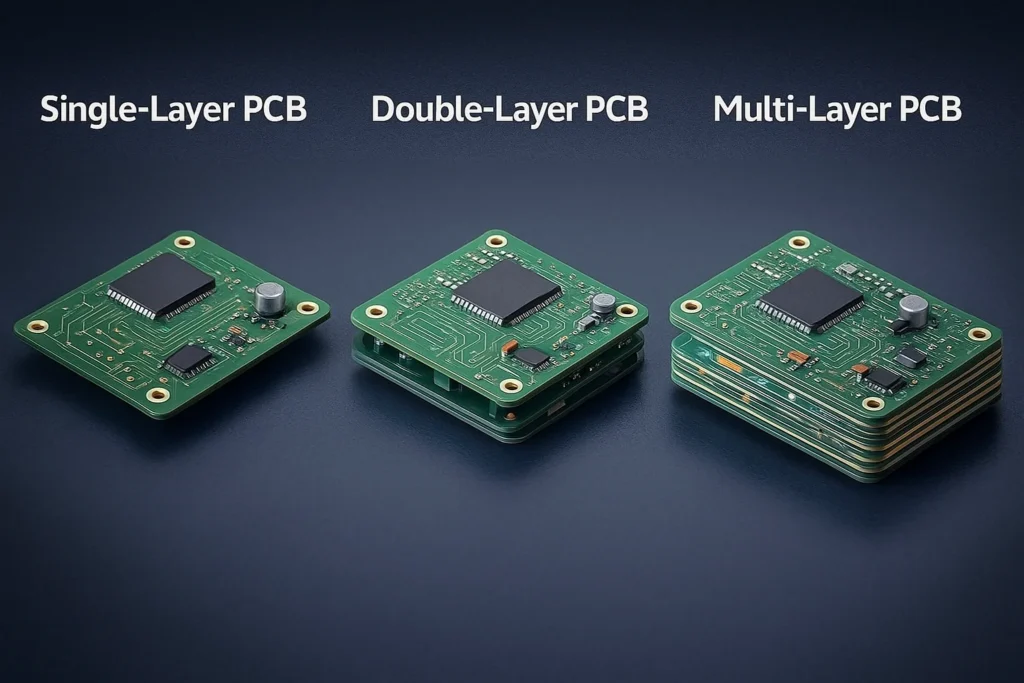
If you’re new to PCB design or manufacturing, understanding the difference between single-layer, double-layer, and multi-layer PCBs will help you choose the right option for your project.
1. Single-Layer PCBs
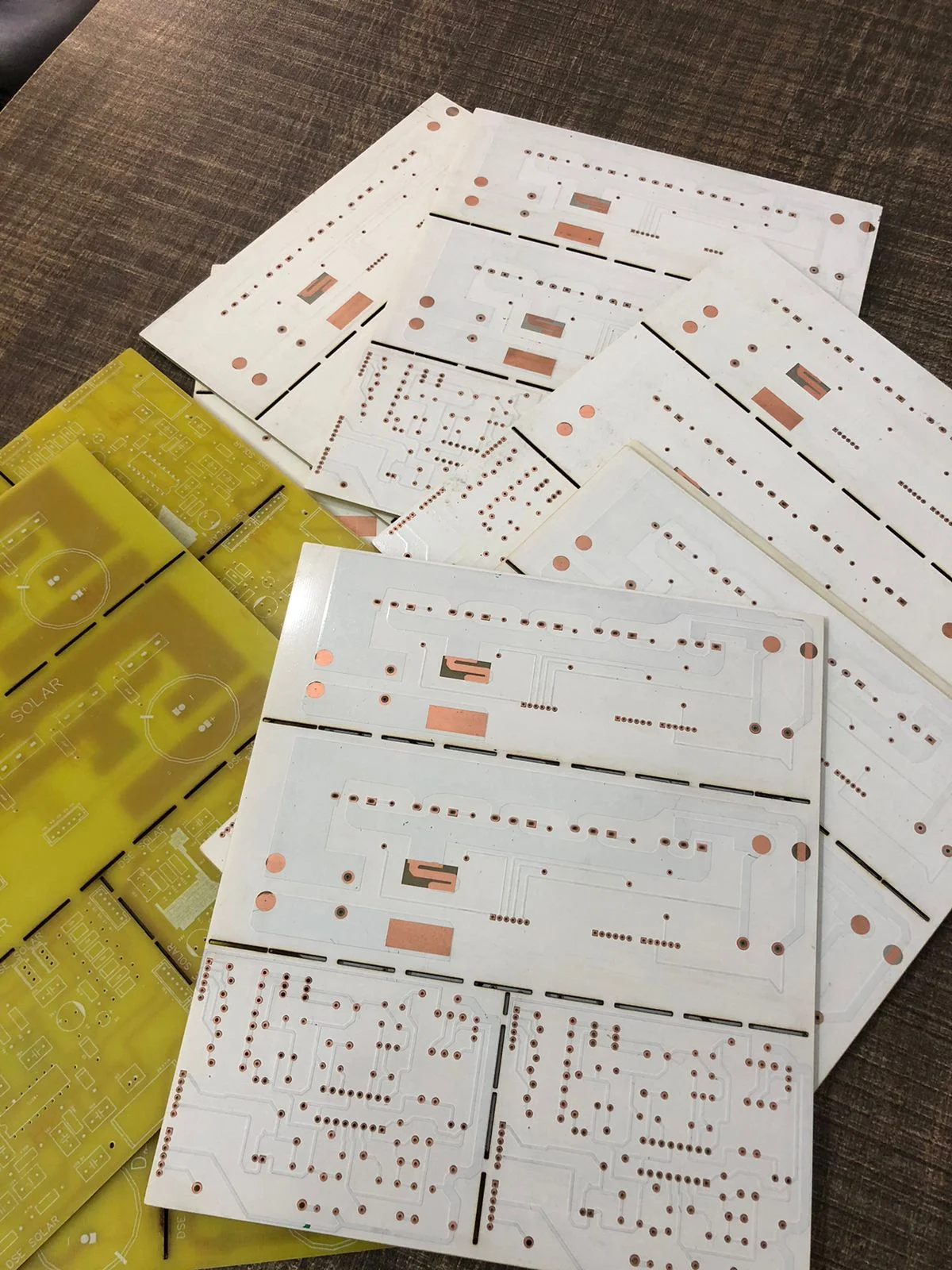
A single-layer PCB has just one copper layer on one side of the board.
The components and copper traces are placed on the same side, making it the simplest and most affordable type of PCB.
Where They’re Used
Calculators
Power supplies
Basic home appliances
LED lighting
Simple toys and gadgets
Why Choose Single-Layer?
Cheapest to manufacture
Easy to design
Good for low-complexity circuits
Limitations
Limited routing space
Not suitable for advanced or compact electronics
Get Your Single-Layer PCB Today
For high-quality single-layer PCBs that are reliable and cost-effective, trust itelectrotech for your PCB fabrication needs. Our expert team ensures fast delivery and excellent precision for every project.
2. Double-Layer PCBs
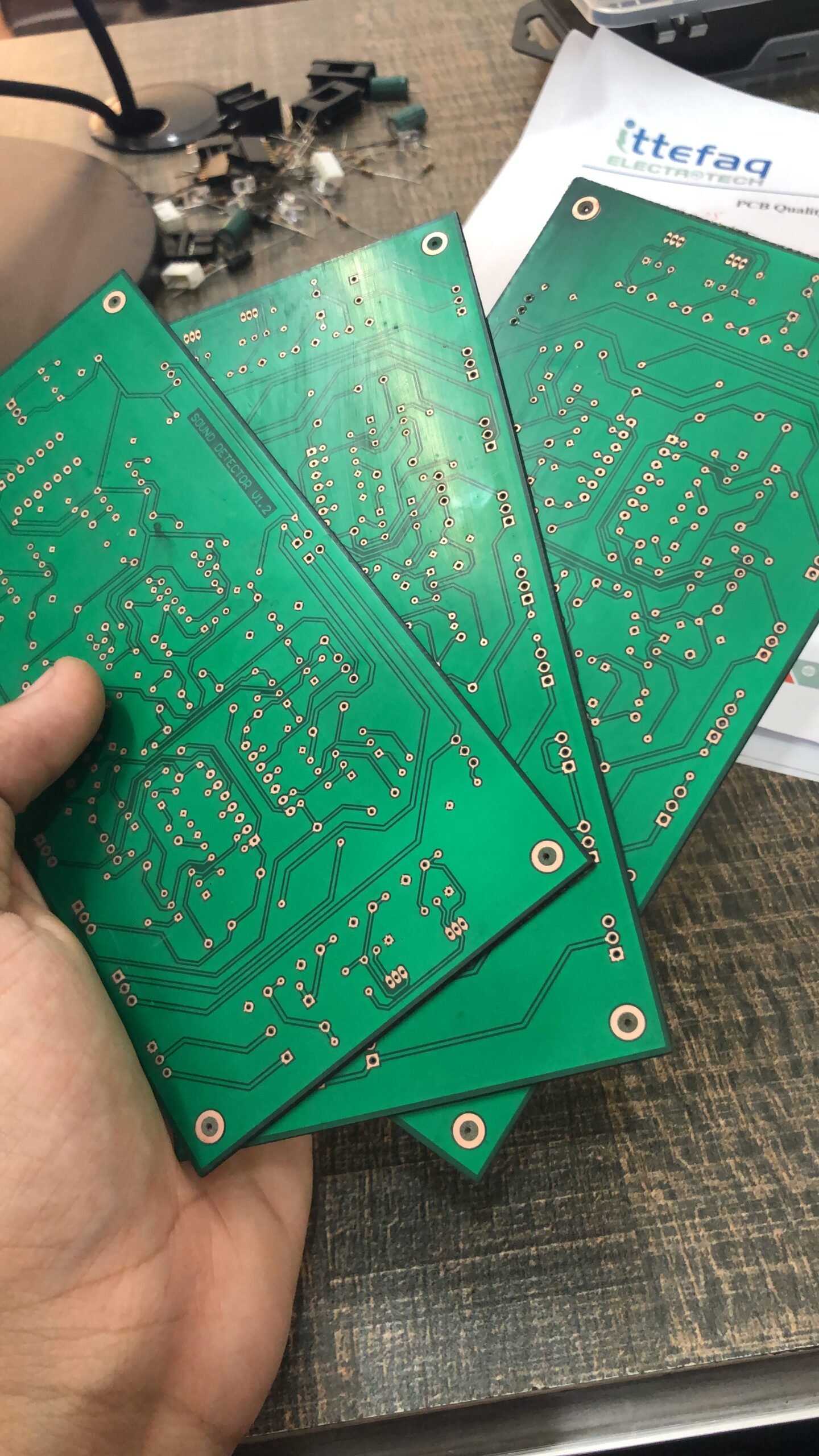
A double-layer PCB has copper on both sides of the board—top and bottom.
You can place components and route traces on both sides, which allows more complex and compact designs.
Where They’re Used
Consumer electronics
Power control devices
Industrial machines
Automotive electronics
Why Choose Double-Layer?
More routing flexibility
Handles moderate complexity circuits
Efficient use of space
Limitations
More expensive than single-layer
Still limited for very high-speed or dense circuits
Bring Your Double-Layer PCB to Life
Looking for precise, reliable, and durable double-layer PCBs? itelectrotech provides top-quality fabrication with expert support, ensuring your projects meet high performance and quality standards.
3. Multi-Layer PCBs
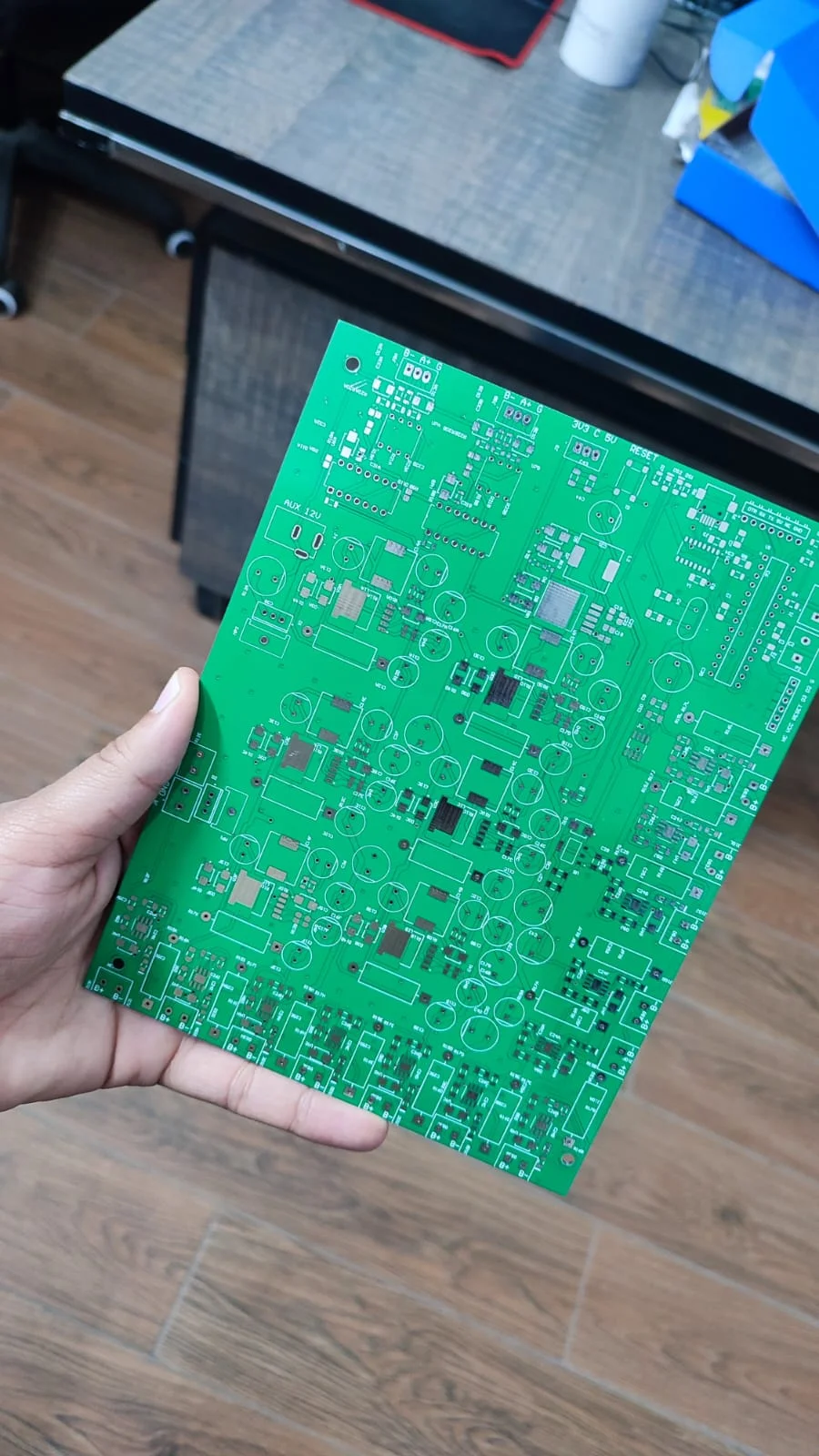
A multi-layer PCB has three or more copper layers stacked together.
These layers are separated by insulation and connected through vias.
Multi-layer designs allow engineers to handle very complex, high-speed, and high-density circuits.
Where They’re Used
Smartphones
Laptops and tablets
Medical devices
Communication equipment
GPS and high-performance electronics
Automotive and aerospace systems
Why Choose Multi-Layer?
Extremely high circuit density
Excellent performance for advanced electronics
Better signal integrity and noise reduction
Supports high-speed data transfer
Limitations
Higher manufacturing cost
More complex to design
Longer production time
Conclusion
The number of layers in a PCB has a huge impact on performance and cost.
Single-layer boards are great for simple projects, double-layer boards balance complexity and affordability, and multi-layer boards power today’s most advanced devices.
See our PCB manufacturing expertise in action — check out our completed projects in our portfolio!